
Essential Tips for Long-Lasting Performance
The Surron Light Bee battery is what turns your bike from a frame on wheels into something built for real fun. It’s the power behind every climb, jump, and all-out ride through the bush. Whether you’ve just picked up your first Light Bee or you’ve been out on the trails for a while, looking after the battery properly means more time riding and less time dealing with issues. In this guide, we’ll break down the basics of battery care — nothing overcomplicated, just practical tips to keep your bike running strong.
Why Looking After Your Battery Is Worth It
Out of everything on your Light Bee, the battery is easily the
most valuable and delicate component. When it’s looked after properly, you’ll get more range, more consistent performance, and faster charging. It also holds up better over time, meaning fewer issues and a longer life between replacements. The good news is that keeping your battery healthy is really just a matter of a few small habits that make a real difference in the long run.

Getting Hands-On with the Light Bee Battery
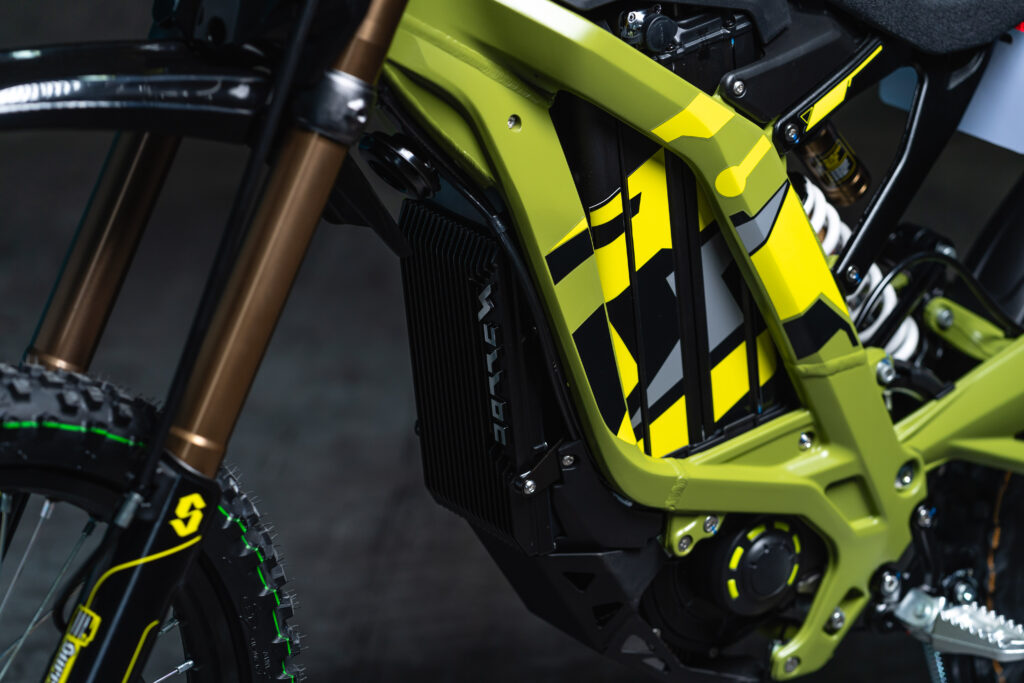
If you’re new to the Light Bee, it’s worth getting familiar with how the battery actually comes out of the bike because proper care starts with knowing your setup. The battery is located inside the frame of your Light Bee. To access it, you’ll need your key to open the battery hatch, just in front of the seat. Turn the key to unlock the lid, and you’ll see the air switch inside.
Before you remove anything, make sure the air switch is flicked off. This cuts the power from the battery and keeps everything safe while you’re handling it. From there, unplug the main battery lead with a firm vertical pull. The battery itself can be lifted straight out, but heads up: it’s not light, so use both hands.
If you’re charging it outside the bike or storing it for a while, make sure the compartment lid is closed properly and the key is removed. Keeping water or dust out is half the battle when it comes to long-term battery health.GW
Battery Maintenance Basics
Don’t Overcharge or Let It Drain Too Low
One of the easiest ways to care for your battery is to avoid charging it too much or letting it run completely flat—especially if you’re not riding for a while. If the bike’s going to be sitting around during a break from riding, aim to store the battery somewhere between 40 and 50 per cent. Leaving it at 100 per cent for weeks on end can slowly wear it down, and letting it drop under 20 per cent can do even more damage.
Both ends of the scale can cut into the battery’s maximum capacity, which means shorter ride times even when it looks like you’re fully charged. If the battery charge drops too low and stays there, it can trip into protection mode and stop working altogether. That’s even more likely if the weather’s extreme since lithium-ion batteries don’t cope well with heat or cold when they’re already low. A quick monthly check and top-up is all it takes to steer clear of those issues.
Store the Bike in a Safe Environment
It’s not just riding that affects your electric bike battery, where you store it matters too. Heat, humidity, and moisture can all chip away at performance over time. The best spot for your Light Bee is somewhere cool, dry, and well-ventilated. A shaded shed or a garage that doesn’t trap heat works well.
Avoid leaving it in full sun, near heaters, or in damp corners where moisture might sneak in. Over time, those conditions can slowly reduce your battery capacity and increase the chances of connection issues or charging faults. A good storage setup now means fewer headaches later.
Use the Right Charging Technique
Getting your charging routine right can make a big difference to how long your battery lasts. Always use the official Surron charger, and avoid third-party chargers.
Beyond the fact that many third-party chargers will not match the battery’s power requirements, they are also not subject to the same Australian safety standards and regulations as a genuine Surron charger. If a third-party charger malfunctioned and damaged any of the electrical components on your Light Bee, you would not be covered under warranty.
Before plugging in, make sure the bike is switched off at both the key and the air circuit switch. Then connect the charger to the battery first, and only after that plug it into the wall. When the charger light turns green, you’re good to go — just don’t leave it connected for too long. While it will stop charging on its own, staying plugged in for extended periods isn’t great for the battery’s long-term health.
If you’ve got a new battery and you’re charging it for the first time, the same steps apply. Just make sure you’re doing it indoors, away from the cold, and on a level surface where the battery can sit safely while it charges.
Avoid Charging in Cold Weather
Although it’s not a problem many Aussie riders will have to worry about, charging your electric bike battery when it’s cold can do more harm than good. If you’ve just come back from a cold-weather ride or your bike’s been sitting in a chilly garage, give the battery time to warm up to room temperature before plugging it in. Charging while cold can damage the internal cells and affect how well it holds charge over time.
Letting it warm up first helps protect the chemistry inside and keeps the battery performing at its full capacity. It doesn’t take long, just bring it inside and give it a bit of time before you reach for the charger.
Keep the Battery Active with Regular Use
Your Light Bee’s battery isn’t made to sit around. It works best when it’s used regularly, whether that’s weekend rides or a few sessions during the week. Getting out for even short runs helps keep the internal cells balanced and avoids issues like swelling, voltage drop, or sluggish performance. If the bike sits idle for too long, especially with low charge, that’s when problems tend to creep in.
If you’re heading out on daily rides, you’re already doing the battery a favour. Every time you top it up or run it down, the bike counts that as part of a charging cycle. The Light Bee is built to handle hundreds of those, but how far you get between charges — and how long the battery holds up over time — comes down to how consistently you look after it. If you’re trying to get the most out of a single charge, smart habits like regular use and proper storage make all the difference.
Protect Against Over-Discharge
Letting your battery run flat now and then isn’t the end of the world, but if it sits that way for too long, things can go sideways fast. The Light Bee uses a built-in protection mode to shut things down when the battery’s fully discharged, and while that helps prevent further damage, it can also leave you stuck. Getting it running again might take multiple charge attempts or even a reset from your dealer.
This kind of deep discharge is one of the most common causes of long-term battery trouble. Keeping the charge above that danger zone is the simplest way to avoid it, especially if the bike’s going to be off the trails for a while.
Off-Season Storage Tips
If you’re planning to store your Light Bee for a long time and not ride it, it’s important to prep the battery properly. Start by charging it between 40% and 50%, then switch off the key and main power. Remove the key and place the bike in a cool, dry spot where it won’t be exposed to sunlight or extreme temperatures.
It’s a good idea to check on the battery monthly. If the charge has dipped under 20%, give it a quick top-up to get it back into the safe zone. So long as you follow this routine, your Light Bee will be ready to go when you are.
Common Questions
Can I store my Light Bee with a full battery?
It’s best not to. Keeping the battery at 100% charge for long periods puts stress on the cells and can gradually reduce the battery’s overall life
What happens if I forget to check the battery during storage?
If the charge drops too low and stays that way, the battery may enter a protection state or become permanently damaged. Unfortunately, this is one of the most avoidable issues and one of the most common causes of long-term battery trouble.
Can I leave the battery on the bike while storing it?
Yes, absolutely. Just make sure the main power is off, the key is removed, and the charge is in the safe 40–50 per cent range. Avoid leaving the battery plugged into the charger while in storage. It’s also worth flicking the main power switch off as an extra precaution.
How long do e-bike batteries last on one charge?
It depends on several factors, including terrain, rider weight, tyre pressure, and how you ride. On average, a fully charged Surron Light Bee battery can give you up to 70 kilometres of range when cruising steadily. Aggressive riding, steep climbs, or repeated acceleration will reduce that distance. Keeping your tyres inflated, your chain clean, and your battery well maintained helps you get the most out of every charge.
How many charging cycles will the battery last?
The battery is designed to handle hundreds of charging cycles. A full cycle means one complete discharge and recharge, but smaller top-ups throughout the week also contribute to the total. With good care, you can maintain strong performance over a long period without noticeably losing battery capacity.

Ride More, Worry Less
Caring for your Surron Light Bee battery isn’t complicated, and once it becomes part of your routine, it’s barely something you need to think about. A few simple habits around charging,
storage, and use are all it takes to extend battery life and protect your investment. Whether you’re climbing fire trails or cruising through the bush, a well-maintained battery means more time riding and less time troubleshooting.
If you’re looking for a lightweight and powerful electric dirt bike to hit the trails with, look no further than the Surron Light Bee X. With a high-performance lithium-ion battery and the ability to go from 0 to 50km/h in only 2.7 seconds, it’s the ultimate bike for the modern rider. Explore the Light Bee X online today or find an electric motorcycle dealer near me to get up close and see it in person.


